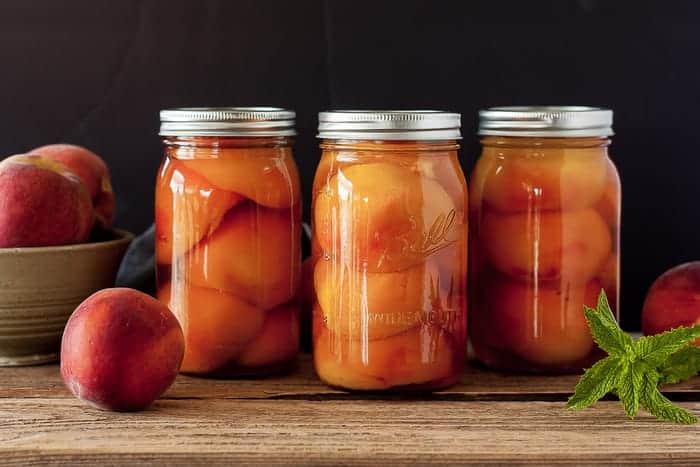
Why Canning Peaches is a Sweet Idea for Beginners and Pros
Imagine biting into a juicy, sun-ripened peach in the dead of winter, its sweet flavor a perfect reminder of summer's bounty. This dream can become a reality when you master the art of canning peaches at home. Far from being a daunting task, preserving peaches is one of the most accessible and rewarding home canning projects, perfect for both novice canners and seasoned pros looking for an efficient way to stock their pantries.
Peaches are wonderfully cooperative fruit for preservation. Their firm flesh holds up well to heat processing, and their natural sweetness means you have full control over how much, or how little, sugar you add. Whether you're aiming for a light, subtly sweetened syrup or a completely sugar-free option packed in juice or water, canning peaches allows for incredible customization. It's an excellent way to savor local, seasonal produce from orchards, farmer's markets, or even your own backyard, long after the harvest season has ended.
Essential Prep Steps for Flawless Canning Peaches
The secret to successful home canning lies in meticulous preparation. Taking the time to properly set up your workspace and prepare your fruit will ensure a safe, delicious, and beautifully preserved product.
Setting Up Your Water Bath Canner
- Fill the Canner: Start by filling your water bath canner with enough water to cover your jars by at least 1 inch once they are submerged and the water is boiling. This ensures even heat distribution and proper sterilization.
- Heat Management: Place the canner on your stove and turn the burner to high. Once the water comes to a rolling boil, reduce the heat to a simmer. The goal is to keep the water hot so that everything is ready and at temperature when your fruit-filled jars are placed inside, preventing potential thermal shock that could crack your jars.
Preparing Jars, Lids, and Rings
Cleanliness is paramount in canning:
- Wash Jars Thoroughly: Wash your canning jars with hot, soapy water and rinse them well.
- Keep Jars Warm: To prevent cracking when hot fruit and syrup are added, and later when placed in the hot canner, jars must be kept warm. You can achieve this by filling them with hot water (emptying just before use) or by placing them on a tray in an oven set to a low temperature, around 170˚F (77˚C).
- Prepare Lids and Rings: Wash your lids and screw bands (rings) in warm, soapy water and set them aside in a clean area. Modern canning lids do not require simmering to sterilize; they are designed to be used directly from the package after a quick wash.
Washing and Pitting Your Peaches
Before you even think about peeling, your peaches need a good clean:
- Gentle Scrub: Rinse your peaches under cool running water, gently rubbing the skins to remove any dirt or debris.
- Halving the Fruit: Using a sharp paring knife, carefully cut each peach around its middle seam. Twist the halves in opposite directions to separate them.
- Removing the Pit: Once halved, the pit should be relatively easy to remove. If you're working with freestone peaches, the pit will often pop right out. Clingstone varieties might require a little more coaxing with your knife.
The Art of Blanching for Easy Peeling
Peeling peaches can seem like a chore, but blanching makes it incredibly simple:
- Boiling Water Bath: Bring a large pot of water to a rolling boil. Carefully add one layer of peach halves at a time to the boiling water.
- Quick Dip: Let the peaches boil for approximately 60 seconds. You'll notice the skin starting to loosen and slightly wrinkle away from the flesh.
- Ice Bath Immersion: Using a slotted spoon, quickly transfer the blanched peaches into an ice bath for about one minute. This stops the cooking process and further loosens the skin.
- Effortless Peeling: Remove the peaches from the ice bath. The skins should now slip off easily with minimal effort, often just by gently pulling with your fingers. Discard the skins.
This blanching method is a game-changer, turning a potentially frustrating task into a smooth step in your easy canning peaches journey.
Crafting Your Perfect Syrup: Sweetness Options for Canning Peaches
One of the beauties of home canning peaches is the ability to tailor the sweetness level precisely to your taste and dietary preferences. From no-sugar options to a luscious light syrup, the choice is yours.
No-Sugar Added Options
For those mindful of sugar intake, or who simply prefer the unadulterated taste of fresh peaches, canning without added sugar is a fantastic choice:
- Water: Peaches can be safely canned in plain hot water. This is an excellent option for those who want zero added sweetness. Remember, however, that peaches canned in water should generally be hot packed to ensure the best quality and reduce fruit float.
- Fruit Juice: For a touch of natural sweetness without added sugar, use hot apple juice or white grape juice as your packing liquid. These juices complement the peach flavor beautifully. This is a popular method for low-sugar canning.
Sweetened Syrups
If you prefer a more traditional canned peach, you can prepare a syrup using sugar, honey, or even a blend.
- Sugar Syrup: The most common choice, sugar syrup comes in various strengths:
- Very Light Syrup: Mix 1 cup sugar with 4 cups water.
- Light Syrup: Mix 2 cups sugar with 4 cups water. (This is often recommended as it allows the fruit's natural flavor to shine.)
- Medium Syrup: Mix 3 cups sugar with 4 cups water.
- Heavy Syrup: Mix 4 cups sugar with 4 cups water.
- Honey Syrup: For a distinct flavor, you can substitute sugar with honey, though it will impart a stronger, more floral note to your peaches. Adjust proportions to taste, typically a little less honey than sugar.
Pro Tip: If you plan to process multiple batches of peaches in a single day, prepare a larger quantity of your chosen syrup and transfer it to a slow cooker set to "high." This keeps the syrup consistently hot and frees up valuable stovetop space for your canner.
Packing and Processing Your Peaches: Raw vs. Hot Pack
Once your peaches are peeled and your syrup is ready, it's time to pack your jars. There are two primary methods for packing fruit: raw pack and hot pack, each with its own benefits and considerations.
Raw Pack Method
Raw packing is often preferred for its speed and simplicity, making the process of canning peaches even more efficient.
- How It Works: Peeled peach halves are placed directly into warm canning jars without any pre-cooking. Hot syrup (or hot fruit juice/water if used) is then poured over the fruit.
- Advantages: It's significantly faster than hot packing, as you skip the pre-cooking step for the fruit itself.
- Considerations: A common result of raw packing is "fruit float." This occurs because the density of the raw fruit changes during processing, causing the peaches to rise to the top of the jar, leaving more liquid at the bottom. While aesthetically less appealing, fruit float does *not* indicate a spoiled product, provided your jars have sealed properly.
- Important Note: If you are canning peaches with no added sugar (using only water), you *must* use the hot pack method to ensure the best quality and prevent excessive fruit float and discoloration. Raw packing is generally recommended when using a sweetened syrup or fruit juice.
Hot Pack Method
While slightly more time-consuming, hot packing offers several advantages that lead to a superior finished product.
- How It Works: Peeled peach halves are gently heated in your chosen hot syrup (or water/juice) for a few minutes before being packed into warm jars.
- Advantages: Hot packing helps to drive air out of the fruit tissues, which minimizes fruit float and helps retain the peaches' natural color. It also allows for a denser pack in the jar. This method is mandatory if you're canning peaches in plain water with no added sugar.
- Steps: Combine your peeled peach halves with your hot syrup/liquid in a large pot. Bring to a gentle boil and simmer for about 5 minutes. Then, use a slotted spoon to carefully pack the hot peaches into your warm jars. Ladle hot syrup over the peaches, leaving 1/2 inch of headspace.
For an in-depth look at both packing methods and their suitability for various sweetness levels, check out our guide on Water Bath Canning Peaches: Raw Pack, Hot Pack & No-Sugar Guides.
Final Steps for Processing
- Remove Air Bubbles: After filling jars, use a non-metallic utensil (like a plastic spatula or wooden chopstick) to gently remove any trapped air bubbles. Press the fruit down gently.
- Adjust Headspace: Ensure you have 1/2 inch of headspace (the empty space between the liquid surface and the rim of the jar). Add more hot syrup if needed.
- Clean Rims: Wipe the rims of each jar thoroughly with a clean, damp cloth to ensure a perfect seal. Any residue can prevent the lid from sealing.
- Apply Lids and Rings: Center a warm lid on each jar. Screw on the metal band finger-tight (just until resistance is met, no overtightening).
- Process in Canner: Carefully place the filled jars into your simmering water bath canner, ensuring they are covered by at least 1 inch of water. Bring the water to a rolling boil. Once boiling, start your timer based on your chosen recipe and altitude. Consult a reliable source like the National Center for Home Food Preservation (NCHFP) for specific processing times.
- Cooling and Sealing: Once the processing time is complete, turn off the heat and let the jars sit in the canner for 5 minutes before carefully removing them with a jar lifter. Place them on a towel-lined surface in a draft-free area, allowing them to cool undisturbed for 12-24 hours. You'll hear the satisfying "pop!" as the lids seal. Check seals by pressing the center of the lid; it should not flex.
Conclusion
Canning peaches at home is a time-honored tradition that brings the essence of summer to your pantry for year-round enjoyment. From the careful preparation of your fruit and equipment to the selection of your preferred syrup and packing method, each step contributes to a rewarding experience. There’s immense satisfaction in seeing those glistening jars of golden peaches, knowing you've preserved nature's sweetness with your own hands. So, gather your peaches, set up your canner, and embrace the delicious journey of home preservation. Your taste buds will thank you all winter long!
