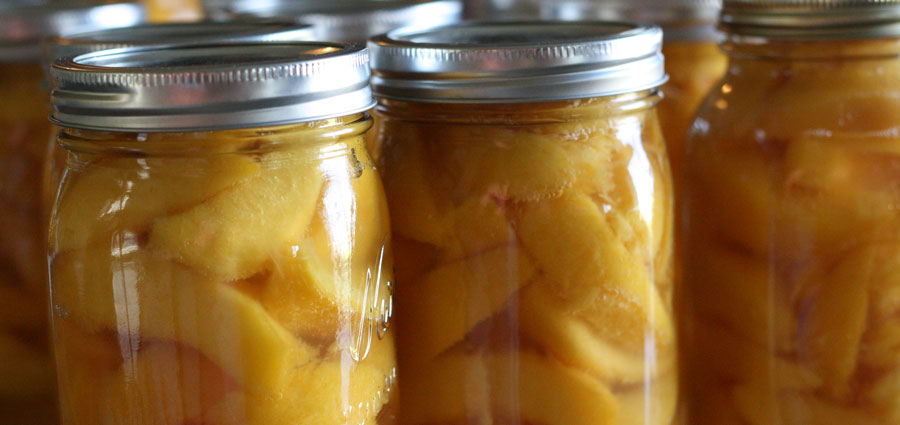
Easy Canning Peaches: Low-Sugar Options for Beginners
Imagine biting into a perfectly ripe, juicy peach in the dead of winter – a taste of summer sunshine preserved just for you. For many, the idea of
canning peaches might seem intimidating, a skill reserved for seasoned homesteaders. However, the truth is that canning peaches is one of the most beginner-friendly ways to preserve fruit, especially with today's easy low-sugar methods. You don't need a huge budget or vast experience to enjoy homemade canned peaches all year long. This guide will walk you through the simple steps, focusing on options that let the natural sweetness of the fruit shine through, rather than drowning it in sugar.
The beauty of canning peaches lies in its simplicity and versatility. Unlike some other preserves, peaches are naturally high in acid, making them ideal for the straightforward and safe water bath canning method – perfect for new canners. Whether you’re harvesting from your own tree, visiting a local U-pick orchard, or finding a great deal at the market, learning how to preserve peaches is a rewarding skill that brings delicious, wholesome food to your pantry.
Why Choose Low-Sugar Canning for Peaches?
For generations, canning recipes often called for heavy sugar syrups, leading many to believe that sugar was essential for safe preservation. While sugar does help maintain fruit texture and color, and acts as a mild preservative, it's *not* necessary for the safety of high-acid fruits like peaches when processed correctly in a water bath canner. This is fantastic news for those looking to reduce their sugar intake or simply prefer the pure taste of fruit.
Opting for low-sugar or no-sugar added methods for canning peaches offers several compelling benefits:
*
Enhanced Flavor: Without excessive sweetness, the delicate, floral notes of the peaches become the star. You'll taste the fruit, not just the sugar.
*
Healthier Option: Reducing added sugars aligns with healthier eating goals, making your canned peaches a guilt-free treat or addition to meals.
*
Dietary Flexibility: These options are ideal for individuals managing blood sugar levels or following specific dietary plans.
*
Versatility in Use: Peaches canned in water or light juice can be used in a wider variety of recipes, from savory glazes to desserts, without having to adjust for an already very sweet base.
*
Cost-Effective: Less sugar means less expense, especially when preserving large batches.
Modern canning techniques embrace these low-sugar choices, providing safe and delicious results. This approach allows you to truly enjoy the seasonal bounty without compromise.
Essential Canning Prep: Getting Started Right
Success in canning, especially for beginners, starts with thorough preparation. Having all your tools ready and understanding each step before you begin will make the process smooth and enjoyable.
Gathering Your Supplies
Before a single peach is peeled, ensure you have the following on hand:
*
Water Bath Canner: A large pot with a lid and a rack, designed to hold several canning jars.
*
Canning Jars: Mason-type jars (pint or quart size are common for peaches) with two-piece lids (new lids, clean rings). Always use jars specifically designed for canning.
*
Basic Canning Tools: Jar lifter, canning funnel, headspace tool/bubble remover, clean kitchen towels.
*
Large Stockpot: For blanching peaches.
*
Large Bowl with Ice Water: For the ice bath after blanching.
*
Paring Knife or Vegetable Peeler: For peach prep.
*
Large Ladle: For filling jars with syrup/liquid.
Preparing Your Canner and Jars
This foundational step ensures food safety and prevents jar breakage.
1.
Set up Your Canner: Place the rack in the bottom of your water bath canner. Fill it with water, ensuring there will be enough to cover your jars by at least one inch once they are loaded. Place it on your stove over high heat. Once it reaches a boil, reduce the heat to a simmer to keep it hot and ready.
2.
Clean and Warm Jars: Wash your canning jars thoroughly with hot, soapy water, then rinse well. Keep them warm to prevent thermal shock when they enter the hot canner. You can achieve this by filling them with hot water and emptying them just before filling, or by placing them on a tray in an oven set to a low temperature (around 170°F/75°C).
3.
Lids and Rings: Wash new canning lids and rings in warm, soapy water. While older canning advice recommended simmering lids, modern lids no longer require this; simply ensure they are clean. Set them aside in a clean spot.
Selecting and Washing Peaches
The quality of your canned peaches begins with the fruit itself.
1.
Choose Wisely: Select peaches that are ripe but still firm. Avoid any with bruises, soft spots, or blemishes, as these can affect the quality and safety of your preserve. Freestone peaches are generally easier to work with than clingstone varieties, as the pit separates more readily from the flesh.
2.
Source Local: Visiting a local orchard or U-pick farm is an excellent way to get fresh, seasonal peaches. If growing your own isn't an option, local farmers' markets often offer superior quality produce.
3.
Wash Gently: Rinse your peaches under cool running water, gently rubbing the skin to remove any dirt or residue.
Mastering Peach Preparation: From Pit to Peel
The most "labor-intensive" part of canning peaches is often peeling them. However, with a simple blanching technique, this step becomes surprisingly easy.
Cutting and Pitting Peaches
Once washed, prepare your peaches for peeling:
1. Using a paring knife, carefully cut the peach around its seam, from stem to blossom end.
2. Gently twist the two halves in opposite directions to separate them.
3. Carefully remove the pit. If you have freestone peaches, the pit should pop out easily. For clingstone, you might need to use a spoon or small knife to pry it out.
The Blanching Advantage: Easy Peeling
Blanching is a quick dip in boiling water followed by an ice bath, which miraculously loosens the peach skins, making them a breeze to peel.
1.
Boil and Dip: In a large stockpot, bring water to a rolling boil. Carefully add a single layer of peach halves to the boiling water. Let them sit for about 30 to 60 seconds, or until you see the skin just beginning to wrinkle and loosen from the flesh.
2.
Ice Bath: Using a slotted spoon, immediately transfer the blanched peaches into a prepared ice bath for about one minute. This stops the cooking process and further aids in skin separation.
3.
Peel with Ease: Remove the peaches from the ice bath. The skins should now slip off effortlessly with just your fingers or a gentle nudge from a paring knife. Discard the skins.
Your Low-Sugar Syrup Options (and No-Sugar!)
Here’s where you truly customize your canned peaches to your taste and dietary needs. The "syrup" can be as simple as plain water or a naturally sweetened fruit juice.
Water: The Simplest Choice
For those who want pure peach flavor with absolutely no added sugar, canning peaches in water is a fantastic option. The natural sugars within the peaches themselves provide plenty of sweetness. This method is also the most economical. Ensure your water is hot before adding it to the jars.
Fruit Juice: Natural Sweetness without Added Sugar
Using fruit juice as your canning liquid adds a touch of natural sweetness and complementary flavor without any refined sugar.
*
Recommended Juices: White grape juice and apple juice are excellent choices. They are light in color and flavor, allowing the peach to remain prominent. Look for 100% juice with no added sugars.
*
Preparation: Heat the juice in a saucepan until it's hot but not boiling. This helps prevent jars from cracking and ensures proper heat distribution during processing.
Very Light Sugar Syrup: A Hint of Sweetness
If you prefer just a touch of sweetness but still want to keep sugar content low, a very light sugar syrup is perfect. This can help preserve the peach's color and texture slightly better than plain water.
*
Ratio Example: A "very light" syrup could be made with 1 cup of granulated sugar dissolved in 6 cups of water (or fruit juice).
*
Preparation: Combine sugar and water/juice in a saucepan. Heat, stirring occasionally, until the sugar is fully dissolved and the syrup is hot.
*
Pro Tip: If you're canning multiple batches, prepare a larger quantity of syrup and keep it warm in a slow cooker set to "high." This frees up stove space and ensures your syrup is always ready.
Packing Your Peaches: Raw Pack vs. Hot Pack for Beginners
How you place your prepared peaches into the jars – raw or hot – impacts their final texture and appearance. Understanding the difference is key for successful
water bath canning peaches, especially with low-sugar options.
Raw Pack: Fast and Convenient (with a Caveat)
Raw packing means placing the peeled, raw peach halves directly into your warm canning jars, then filling them with hot syrup or liquid.
*
Benefits: It's quicker as it skips the pre-cooking step.
*
Drawbacks: Raw-packed fruit tends to shrink during processing, releasing air and sometimes leading to "fruit float" – where the peaches rise to the top of the jar, leaving a clear liquid layer at the bottom. While aesthetically less appealing, fruit float is perfectly safe as long as your jars are properly sealed.
*
Crucial Note for Low-Sugar: If you are canning peaches with *no added sugar* (using only water or pure fruit juice), you *must* use the hot pack method for best quality and to reduce fruit float. Raw packing without added sugar can result in a poorer texture and more significant float.
Hot Pack: For Best Quality and No-Sugar Options
Hot packing involves briefly pre-cooking the peaches in your chosen liquid before packing them into jars. This is generally recommended for beginners and for all no-sugar added fruit.
*
Benefits: Pre-cooking the fruit allows it to shrink slightly before jarring, which reduces fruit float, improves texture, and results in a more uniform pack. It also helps to ensure more liquid stays around the fruit.
*
Process: Place your peeled peach halves into a large pot with your chosen hot liquid (water, juice, or light syrup). Bring the mixture to a simmer (do not boil vigorously) and cook for about 5 minutes, or until the peaches are heated through.
Processing Your Canned Peaches
This is the final, crucial step to ensure your canned peaches are safely preserved.
1.
Fill Jars: Using a canning funnel, carefully transfer the hot-packed peaches and liquid (or raw-packed peaches and hot liquid) into your warm jars. Pack the peaches snugly but don't force them in, ensuring they are covered by the liquid.
2.
Remove Air Bubbles: Slide a non-metallic spatula or bubble remover tool down the inside of the jar walls to release any trapped air bubbles. Add more hot liquid if necessary to maintain proper headspace.
3.
Adjust Headspace: Leave 1/2 inch of headspace (the space between the top of the food/liquid and the rim of the jar). This is essential for proper sealing.
4.
Wipe Rims and Seal: Wipe the jar rims clean with a damp cloth to remove any food residue. Place a clean, new lid centered on each jar, then screw on the band finger-tight (just until you feel resistance).
5.
Load Canner: Using a jar lifter, carefully place the filled jars onto the rack in your preheated water bath canner. Ensure the water level covers the jars by at least one inch. If not, add more hot water.
6.
Process: Bring the water to a rolling boil. Once boiling, start your timer. For pints, process for 20 minutes; for quarts, process for 25 minutes. (Remember to adjust processing times for your altitude; consult a reliable canning guide for specific adjustments).
7.
Cool Down: Once the processing time is complete, turn off the heat and remove the canner lid. Let the jars sit in the hot water for 5 minutes before carefully lifting them out with a jar lifter.
8.
Check Seals: Place the hot jars on a clean towel on your counter, ensuring there’s space between them for air circulation. Let them cool undisturbed for 12-24 hours. After cooling, check for a proper seal: the lid should be concave (curved inward) and not flex when pressed. Remove the rings, wipe jars clean, label, and store in a cool, dark place.
Congratulations! You've successfully canned your own delicious, low-sugar peaches. This rewarding process yields a pantry full of wholesome goodness, ready to be enjoyed straight from the jar or incorporated into your favorite recipes. From pies and cobblers to breakfast toppings and savory glazes, your homemade
canning peaches will bring the taste of summer sunshine to every meal, proving that preserving fruit can be easy, healthy, and incredibly satisfying for any home cook.